|
AI
6 AI Trends That Actually Matter for Your Work in 2026
Prediction lists usually fail for one of two reasons: they are either (1) Too theoretical, or (2) Just plain clickbait.
This is (hopefully) neither. Based on research from McKinsey, Stanford, OpenAI, and Epoch AI, here are the six AI trends most likely to shape how you work this year, along with concrete steps you can take for each one.
Watch it in action
Resources
- Sources mentioned: Google Drive folder
- Essential Power Prompts: A Notion library of 15 battle-tested prompts with video walkthroughs
- AI Course Waitlist: An upcoming course on evergreen AI skills and future-proof frameworks
- Free AI Toolkit: A resource covering essential AI tools and workflows
Trend 1: Models don't matter (much) anymore
For years, every new model release sparked debates about which AI was "the best." That question matters far less in 2026.
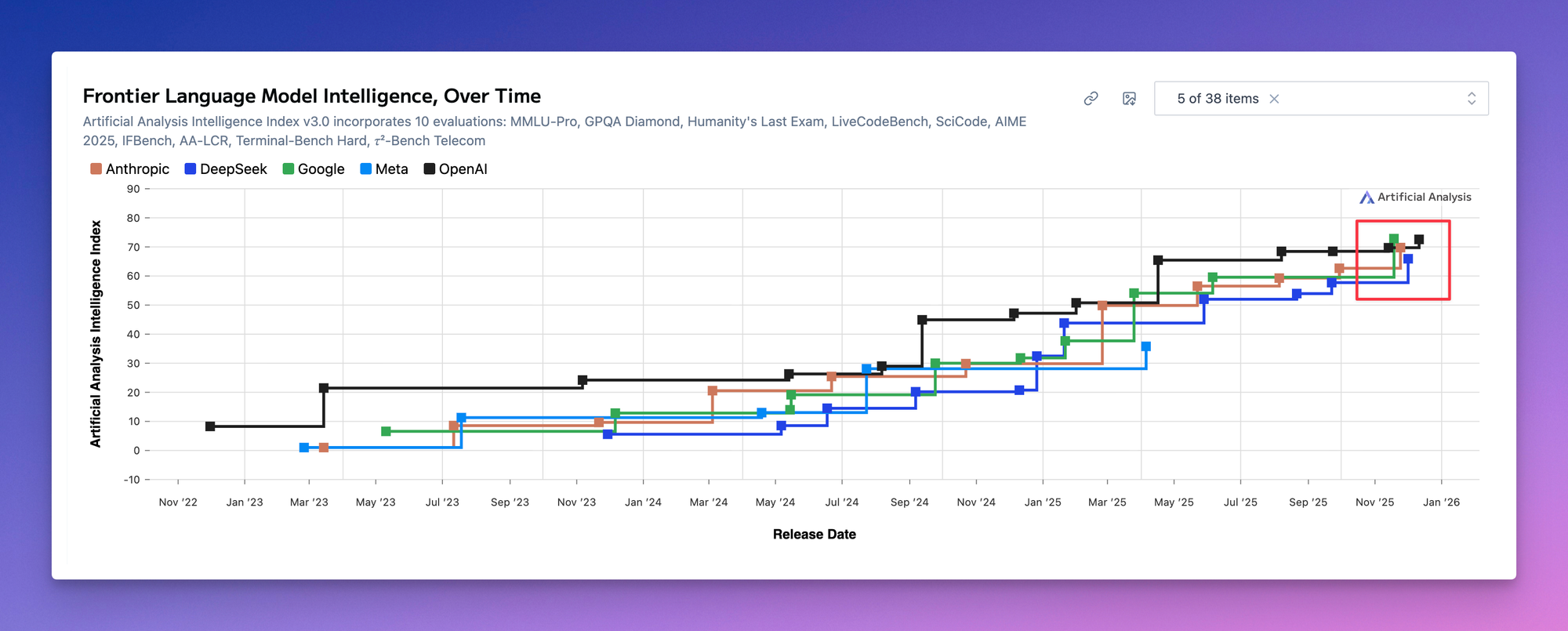
Data from Artificial Analysis shows the major AI models clustering together in performance. They are still improving in absolute terms, but the gap between them keeps shrinking. A Stanford study confirms this from another angle: open-weight models like DeepSeek and Llama now approach frontier performance levels.
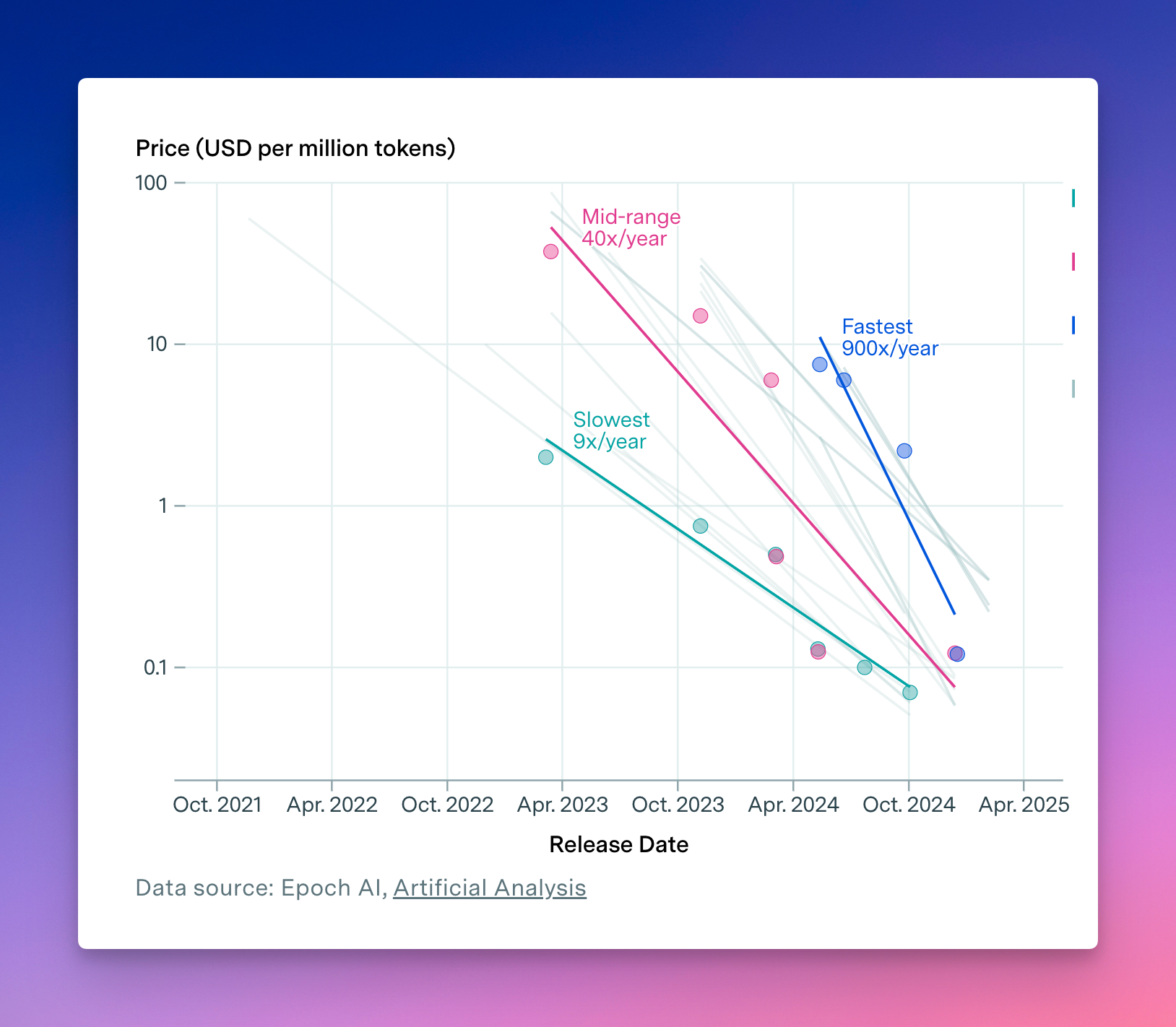
Cost tells a similar story. Epoch AI data shows that using powerful models has become drastically cheaper. NVIDIA's latest chips use 105,000 times less energy per token than they did ten years ago.
Here's a useful way to think about it: when products become cheaper and more similar, they become commodities.
- You don't ask "who provides the best electricity."
- You ask "what can I use electricity for?"
Where the Competition Has Moved
The battle has shifted to the "app layer," meaning how you actually use these models:
- OpenAI holds a mindshare advantage because ChatGPT is synonymous with AI
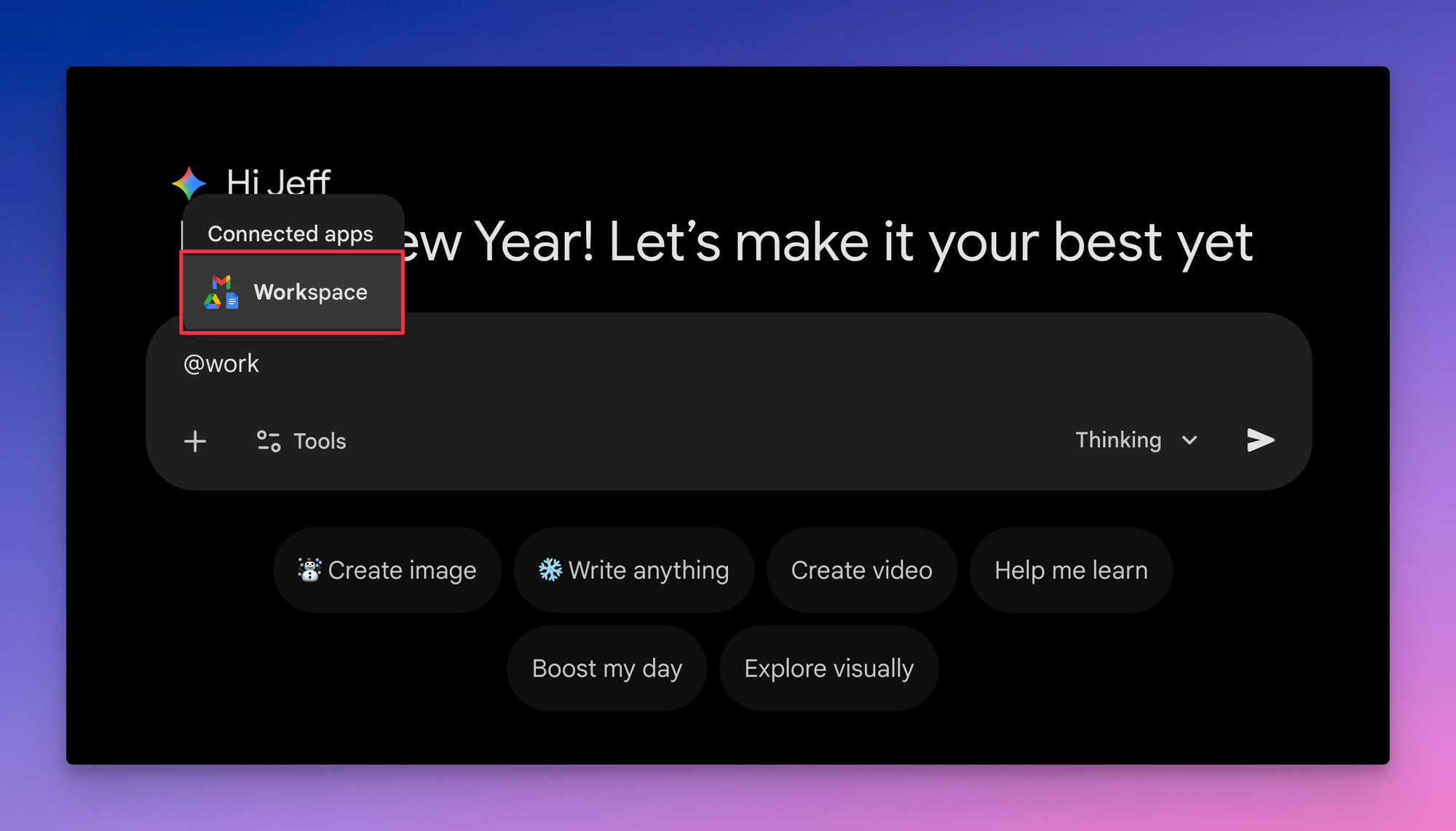
- Google holds a distribution advantage because Gemini is embedded across Search, Gmail, and Android
- Anthropic holds a specialization advantage with developers and enterprise customers
Notice what's missing: none of them are winning because they have "the best" AI. The competition now centers on reach, integration, and trust.
What to Do
Stop obsessing over benchmark scores. Instead, ask which tool fits your actual work environment. If you live in Google Workspace, Gemini's deep integration gives it an edge that has nothing to do with raw intelligence.
Trend 2: Workflows Beat Agents
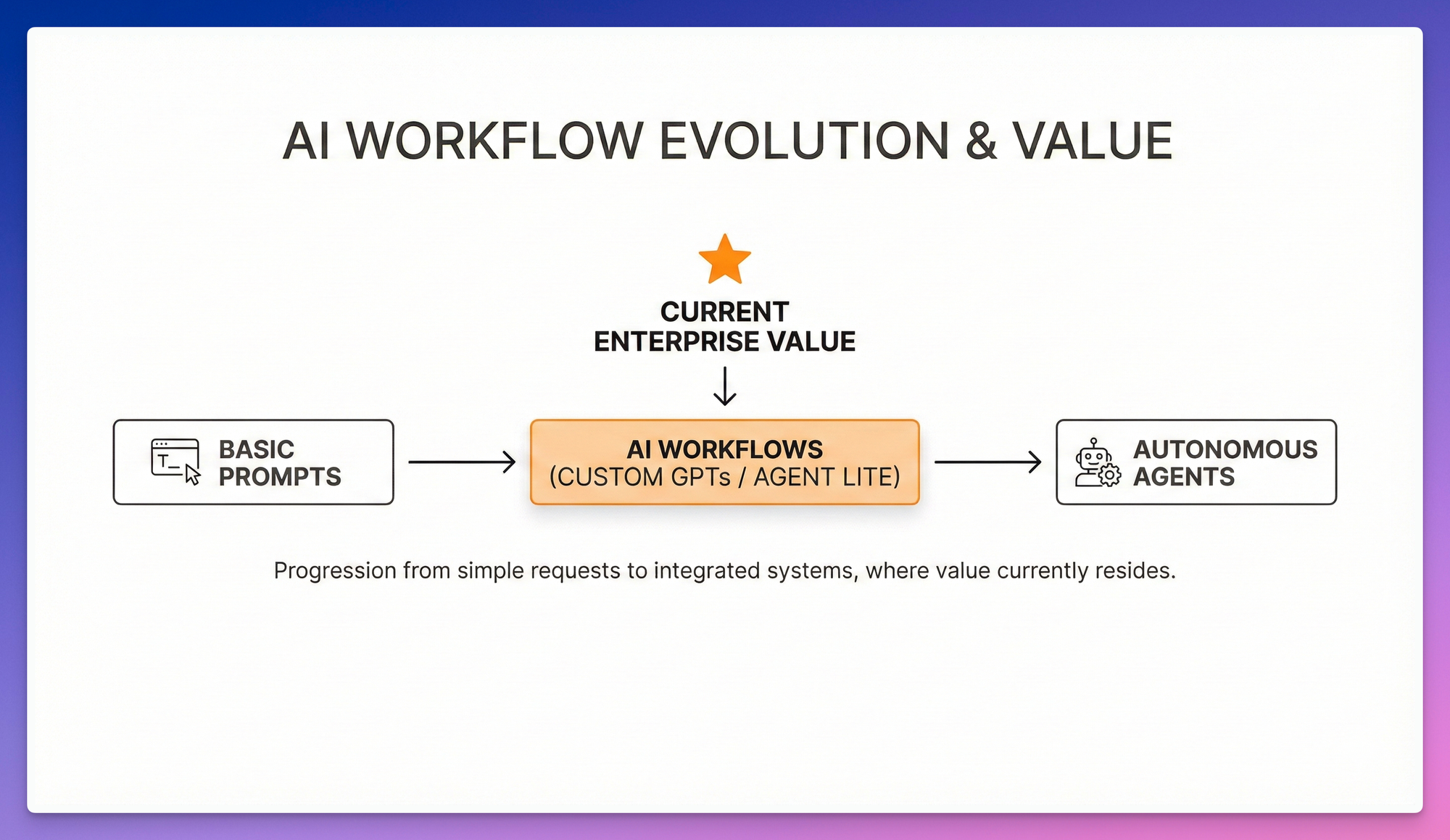
If you spend time on Twitter or LinkedIn, you've probably noticed the industry jumped from "chatbots" straight to "autonomous agents" and skipped the middle step where actual value is being captured: AI workflows.
The numbers confirm this gap. According to McKinsey, no more than 10% of organizations in any business function report scaling true agents. Meanwhile, OpenAI's enterprise report shows that 20% of enterprise AI use already happens through workflow-specific tools like Custom GPTs and Projects.
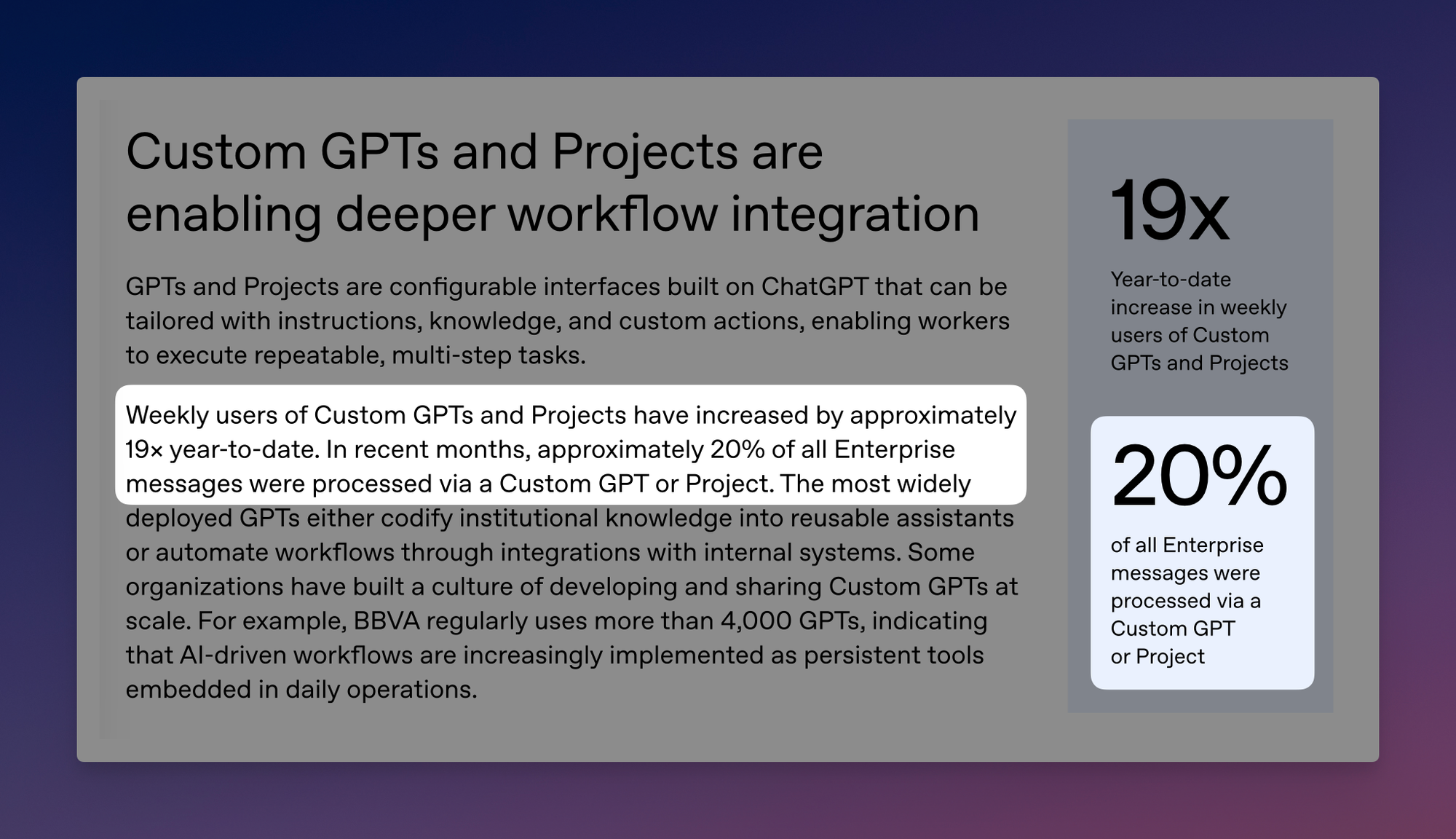
Put simply, the market has voted for workflows, not autonomy.
Real Examples
- A pharma company redesigned their clinical study workflow. AI analyzes raw clinical data while humans focus on validation. Result: 60% less prep time and 50% fewer errors.
- A utility company restructured their call center. AI handles authentication and routine inquiries. Result: 50% lower cost-per-call and 6% higher satisfaction scores.
- A bank reworked their code migration process. AI scans legacy code and generates updated versions for developers to verify. Result: 50% reduction in required human hours.
💡
Andrej Karpathy puts it well: calling everything an "agent" creates unrealistic expectations. Fully autonomous AI still faces massive hurdles like data security. We're looking at the decade of agents, not the year.
What to Do
Pick one recurring deliverable you produce, like a weekly report. Break it into steps. Let AI handle the predictable parts.
Keep yourself in the loop for final judgment calls. That structure creates reliability and builds the muscle memory you'll need when true agents arrive.
Trend 3: The Technical Divide Is Closing
Non-technical teams used to rely on specialists to build things like dashboards and internal tools. That dependency is shrinking fast.
According to OpenAI's latest report, 75% of enterprise users reported using AI to complete tasks they literally could not do before. Not just doing old tasks faster; they're doing entirely new things.
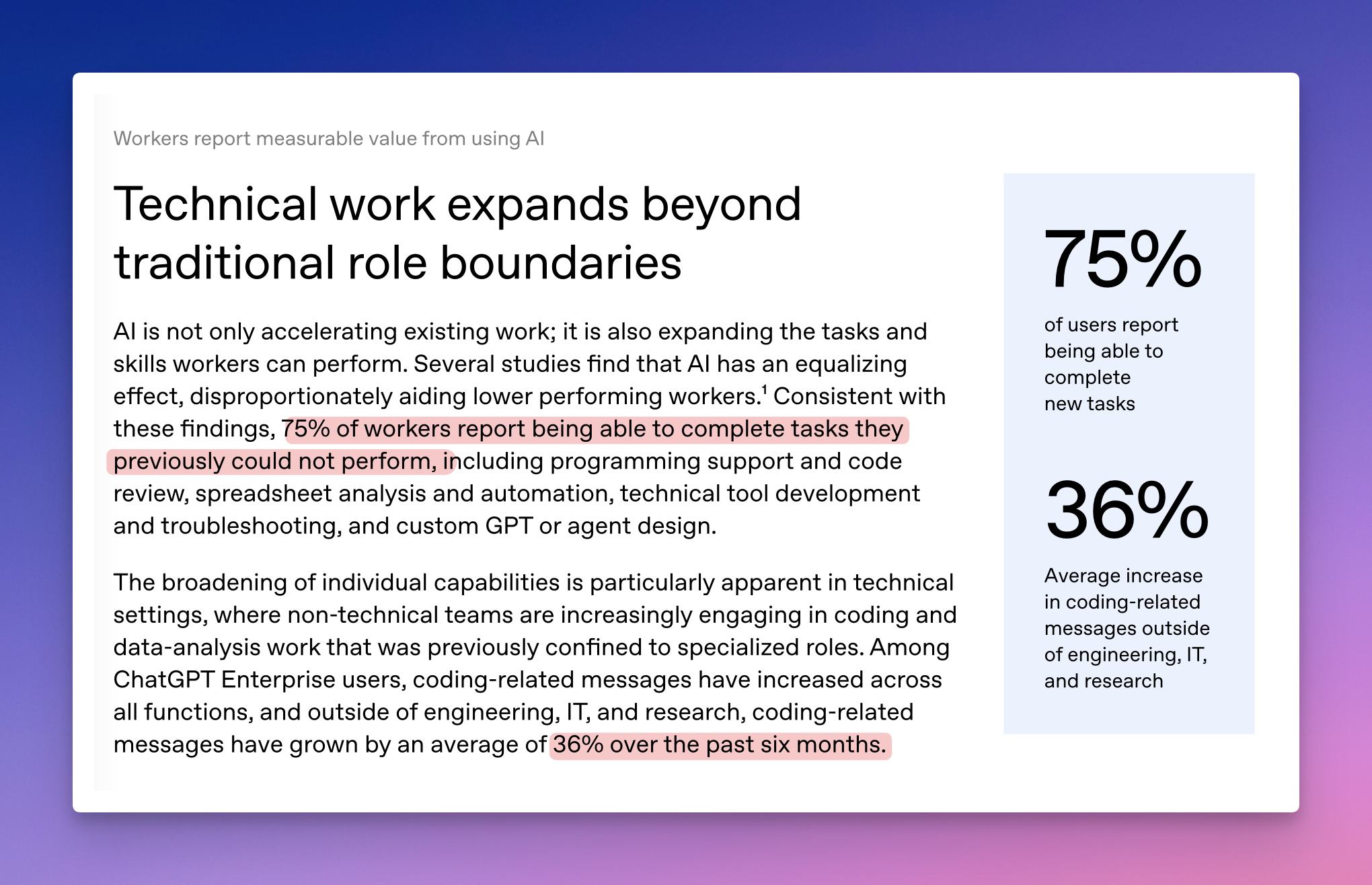
Coding-related messages from non-technical employees grew 36% in just six months. These are salespeople, marketers, and operations managers writing scripts, automating spreadsheets, and building internal tools.
A study from MIT confirms this: AI acts as an "equalizer," disproportionately helping workers with lower technical skills close the performance gap with experts.
What This Means for Your Career
If your value is purely technical (you're "the dashboard person"), your competitive advantage is shrinking. The marketing manager who used to wait in your queue can now do it themselves.
But if you're that marketing manager, or the salesperson who deeply understands their clients, this is the biggest opportunity of your career. The technical barrier between your expertise and your execution is gone.
What to Do
Attempt one "impossible" task this month. Identify a technical project you usually outsource, like building a dashboard, cleaning a messy dataset, or automating a report. Try doing it yourself using Gemini, Claude, or ChatGPT. You'll likely be surprised by what you can pull off alone.
Trend 4: Context Beats Prompting
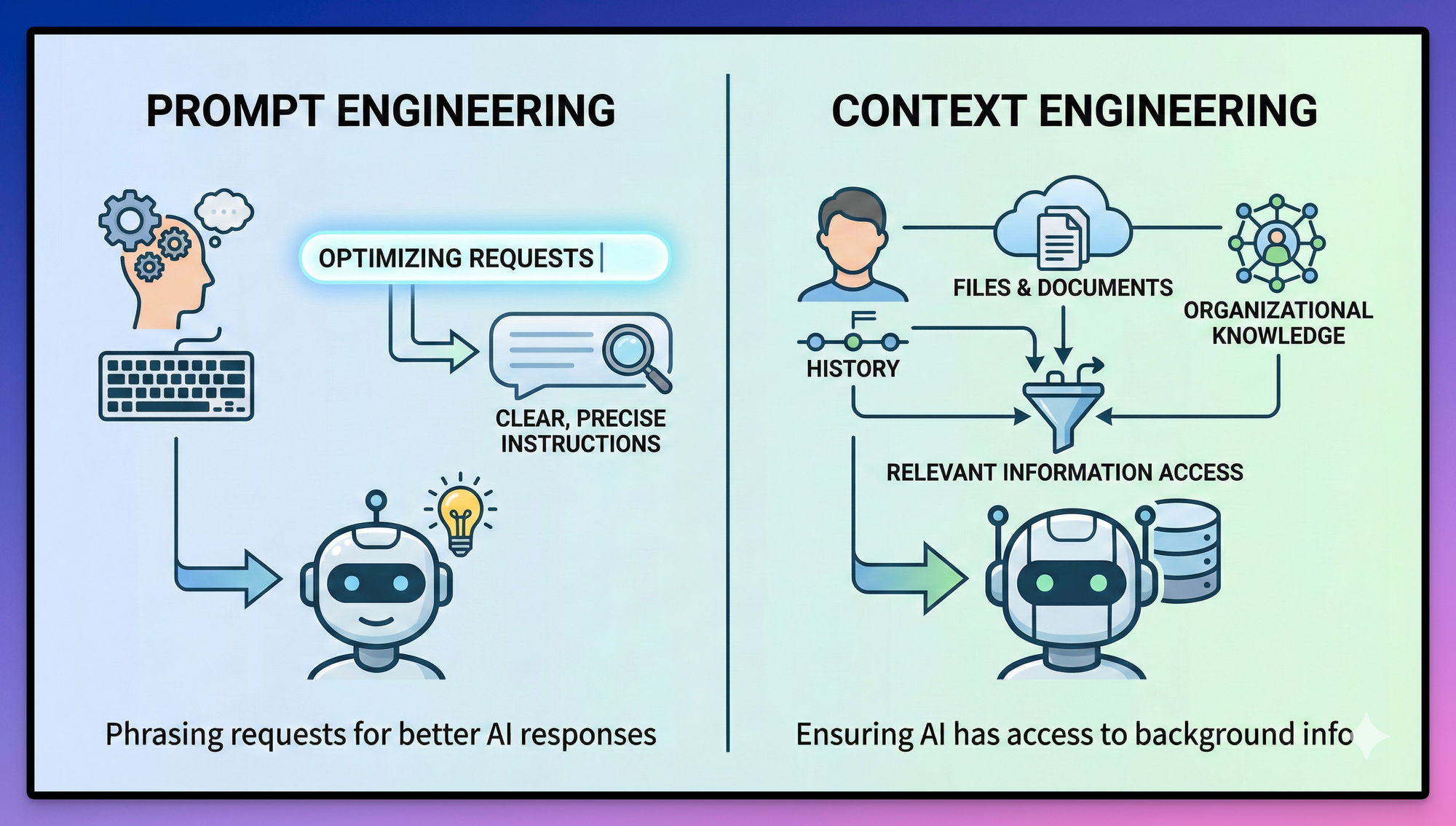
New models have gotten much better at understanding vague instructions. However, they still have one massive weakness: the "Fact Gap."
Models know almost everything on the public internet, from Shakespeare to Python code. But they know nothing about your Q3 goals, your brand guidelines, or that email your boss sent yesterday.
💡
The focus has shifted from how you ask (the wording) to what you give it (the context).
Why This Explains the Platform Wars
Google, Microsoft, and others are racing to embed AI into their productivity suites because whoever holds your context holds your attention.
This is also how they'll trap you with platform lock-in. The more context you build in one ecosystem, the smarter that AI becomes for you, and the harder it is to switch.
What to Do
First, file management is no longer optional. To get value from AI, you need a system to keep your files organized and clearly named. If your work is scattered in random, unnamed folders, you can't point the AI to it.
Second, audit where your information lives. If it's spread across three or four platforms, you need to consolidate. If your resume lives in Google Drive but the job description and interview notes sit in Notion, neither Gemini nor Notion AI can help with interview prep. You end up doing the synthesis manually, which defeats the purpose.
💡
Rule of thumb: Prompting still matters, but it's more important to ask yourself whether the AI has the files it needs to know what you're talking about.
Trend 5: Ads Are Coming to Chatbots
It's been confirmed that ads are coming to ChatGPT in 2026. Instead of debating whether it will happen, let's consider the implications.
Imagine a world where advertising never comes to chatbots. In that reality, the best AI models stay locked behind expensive subscriptions, creating a wealth gap where only those who can pay have access to the best tools. Everyone else gets an inferior version.
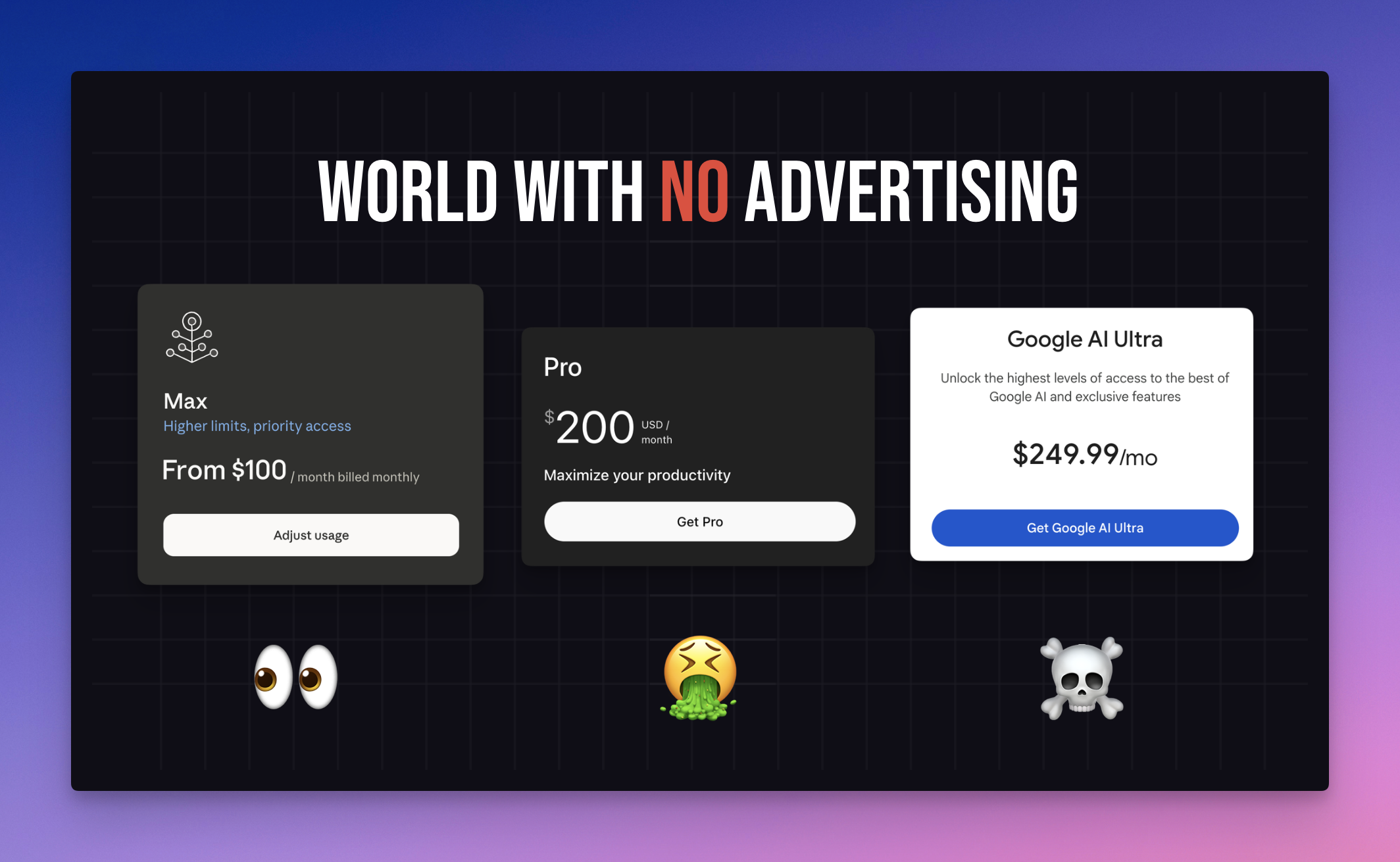
Over time, this creates a compounding advantage. The wealthy use powerful AI to get wealthier while everyone else falls behind.
Think of it like YouTube. Imagine if you couldn't watch videos from top creators unless you pay for YouTube Premium. That's where AI is heading without an ad-supported tier.
What Format Will the Ads Take?
Industry expert Eric Seufert predicts that chatbot ads won't be tied to specific questions. If an AI recommended a product directly in its answer, users wouldn't trust it. Instead, the ads will probably look like standard display banners that stay separate from the actual conversation, similar to banner ads on websites today.
The Bottom Line
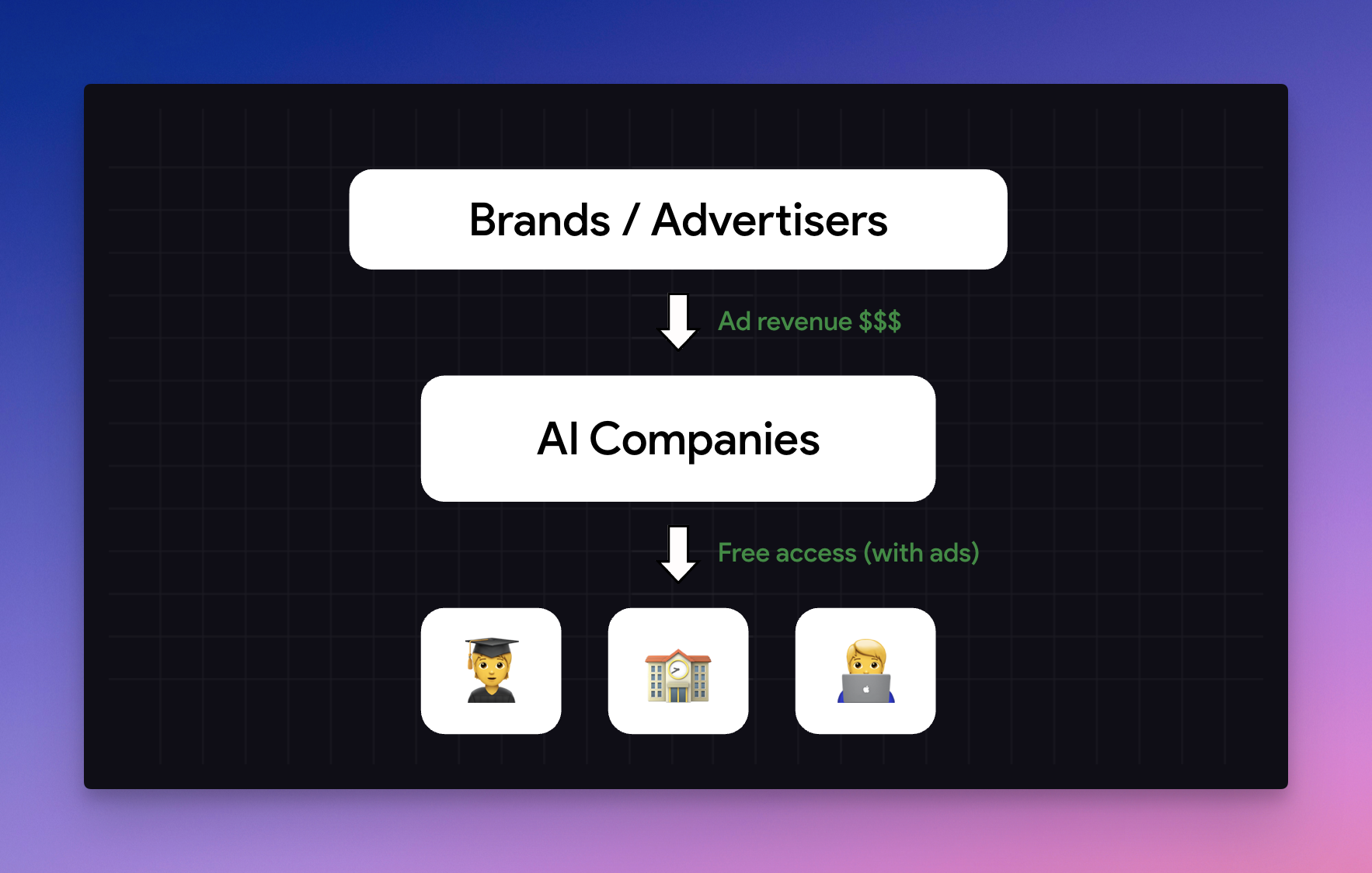
Nobody likes ads. But ad revenue makes it possible for companies to offer their best models to students in developing countries, non-profits, and casual users who can't afford another monthly bill.
Trend 6: AI Enters the Physical World
Everything covered so far has focused on AI as software. In 2026, that software will appear even more in the physical world through "physical agents" that move on their own.
The numbers show this is already happening:
- Waymo has logged over 100 million fully autonomous miles and reports 96% fewer crashes than human drivers
- Amazon's AI-enabled warehouse robots have cut time from order to shipping by 78%
- China had deployed more industrial robots than the US and the rest of the world combined as early as 2023
A Caveat on Humanoid Robots
MIT robotics professor Rodney Brooks estimates we are at least 15 years away from functional humanoid robots in daily life. The dancing robots at product demos are still mostly hype.
The Real Shift
Analyst Mary Meeker describes this as "AI turning capital assets into software endpoints." Here's what that means:
- A car, tractor, or warehouse robot used to be a depreciating asset that loses value over time.
- Now these machines are becoming platforms that improve through software updates, exactly like phones.
A Waymo car today is safer and smarter than it was two years ago, even though the physical vehicle hasn't changed.
What This Means
While headlines focus on white-collar disruption for now, this trend suggests blue-collar work will also be disrupted, but over a much longer time horizon.
If you enjoyed this...
You might also like: My Google Gemini 3.0 Tutorial!